Integrated Promotion Models Linking Slot Machine Activity to Accommodation Perks and Live Show Access
Anna Griffin · Sep 4, 2026
Integrated Promotion Models Linking Slot Machine Activity to Accommodation Perks and Live Show Access
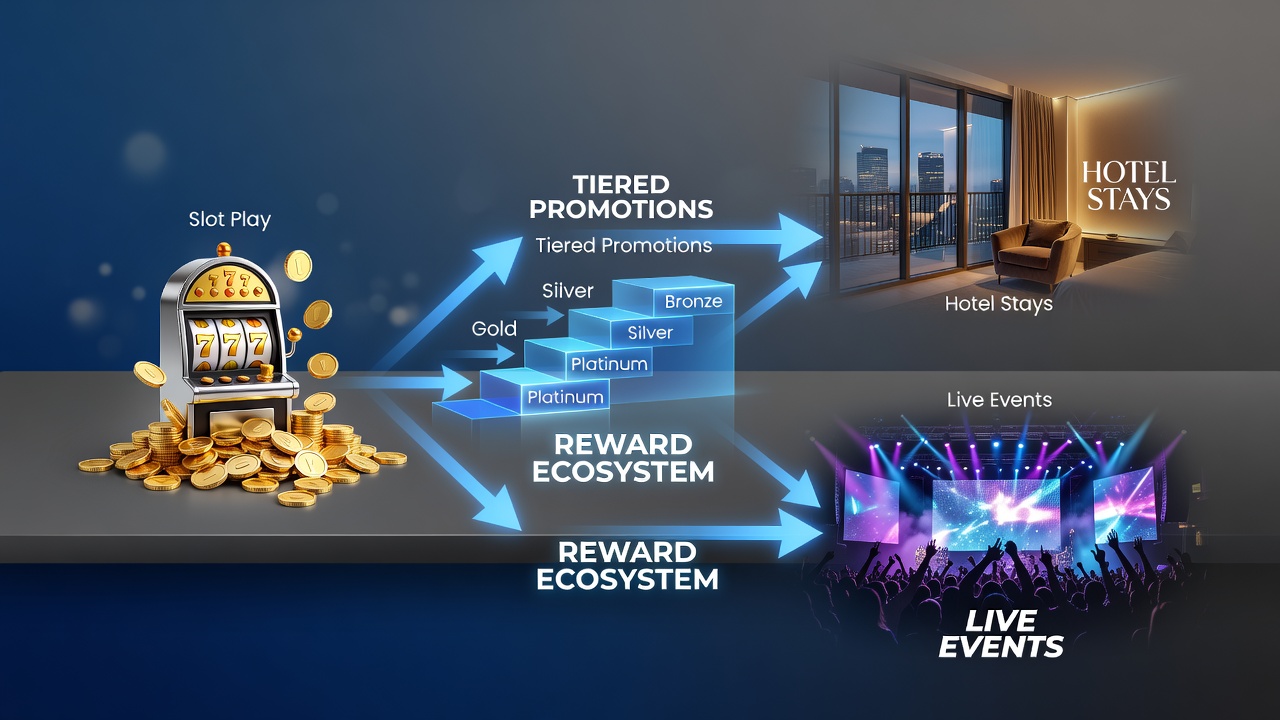
Integrated promotion models operate across major casino properties where slot machine activity feeds directly into tiered loyalty structures and these structures in turn grant access to hotel accommodations along with live entertainment options. Operators track coin-in totals and time on device to award points that determine membership levels from entry tiers through premium designations and each level carries specific redemption values for room nights and event tickets.
Data compiled by regional gaming authorities shows that properties in Nevada and New Jersey recorded measurable increases in cross-category redemptions during 2025 with slot-driven points converting to hotel stays at rates exceeding prior years. In September 2026 several mid-tier casinos extended summer slot tournaments into fall programming which allowed accumulated points to cover full weekend packages that bundled rooms with concert access at on-site venues.
Point Accumulation and Tier Progression Mechanics
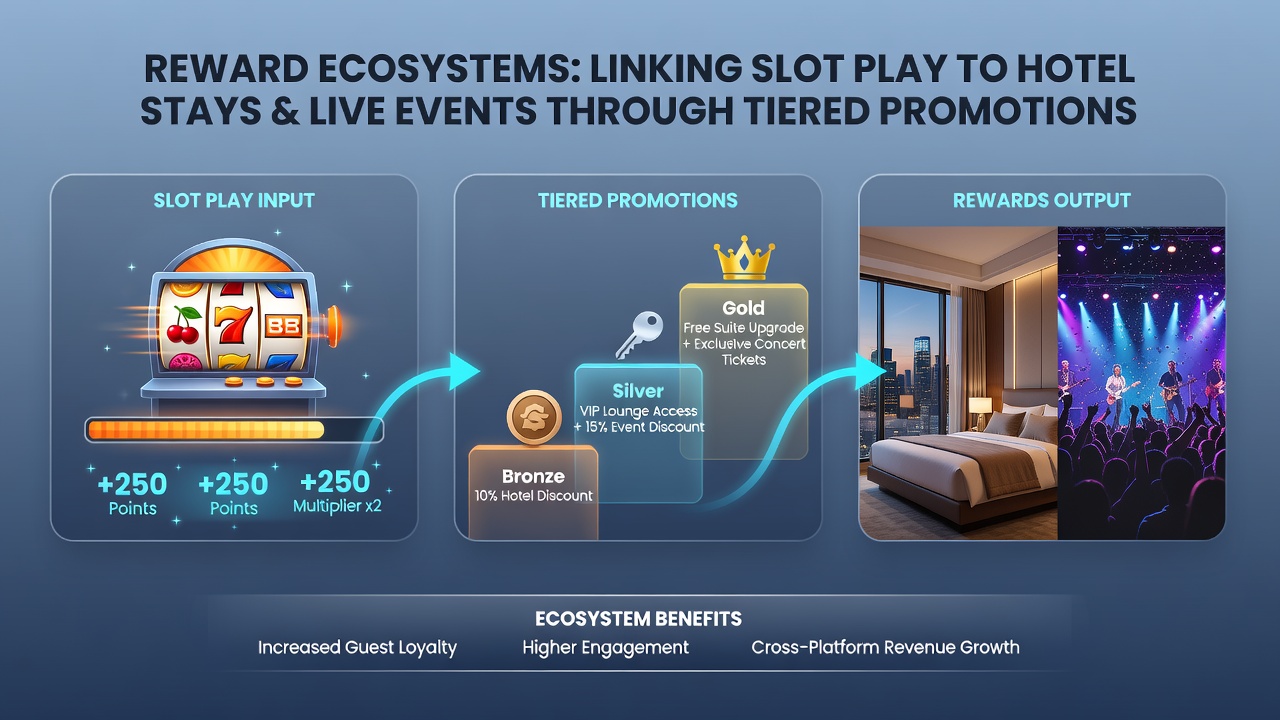
Slot play generates base points at rates that vary by machine denomination and property multiplier schedules while bonus multipliers activate during promotional windows such as weekday afternoons or late-night sessions. Players advance through tiers once cumulative points reach preset thresholds and observers note that silver-level status typically unlocks 10 percent discounts on standard room rates whereas gold status adds free night certificates after a set number of qualifying stays.
Platinum and diamond designations further expand options by including guaranteed event seating and early ticket purchase windows for headline performances. Research from university gaming studies indicates that operators adjust point-earning multipliers seasonally to balance floor traffic with occupancy forecasts and this adjustment process often incorporates real-time data from both slot management systems and hotel reservation platforms.
Redemption Pathways Connecting Slots to Hospitality and Events
Redemption interfaces allow members to exchange points for hotel blocks that include resort fees and parking while separate ledgers handle ticket allocations for theater and arena events. One common structure routes a fixed percentage of slot points into an entertainment wallet that covers ticket face values up to predetermined limits and this separation prevents overlap between accommodation and performance inventories.
Properties in California and Pennsylvania have implemented mobile apps that display available redemptions alongside tier status and users can reserve rooms or claim event entries directly from the same dashboard. Figures released by state gaming commissions reveal that event-linked redemptions grew by double-digit percentages in markets where new arena construction coincided with expanded slot floors.
Cross-Property Partnerships and Data Integration
Multi-property operators maintain unified databases that carry tier status across regional locations so points earned on slot machines at one site contribute to hotel upgrades and event access at another. Partnerships with external entertainment promoters supply additional inventory such as festival passes or sports arena suites and these additions appear in member portals as limited-time offers tied to current tier levels.
According to reports from the American Gaming Association, consolidated loyalty platforms now track over 50 million active accounts across U.S. jurisdictions and the integration of slot data with hospitality systems has reduced manual reconciliation tasks for staff while increasing redemption accuracy. Similar frameworks appear in Canadian markets where provincial regulators require transparent reporting of point values and expiration policies.
Seasonal Adjustments and Member Behavior Patterns
Operators recalibrate promotion calendars each quarter to align slot tournaments with major concert schedules and holiday hotel demand peaks. Members who concentrate play during slower periods often receive accelerated tier advancement which grants priority booking for high-demand events and this timing strategy helps properties smooth revenue across both gaming and non-gaming departments.
Analysts at research institutions focused on hospitality economics have documented that tiered members exhibit higher average spend per visit once they unlock bundled redemptions and the data shows consistent patterns across properties of varying sizes. September 2026 schedules at several East Coast resorts included extended concert series funded partly through slot-point conversions which maintained steady occupancy during shoulder weeks.
Conclusion
Tiered promotion models continue to evolve as operators refine algorithms that link slot activity metrics with real-time availability in hotel and entertainment systems. These frameworks rely on centralized data platforms that convert play volume into tangible benefits while regulatory oversight ensures clear disclosure of point values and redemption terms. Industry reports from multiple jurisdictions document ongoing expansion of such ecosystems as new venues incorporate similar structures from opening day.