How Reward Systems Guide Selections Across Gaming Areas, Dining Options, and Live Performance Venues
Harper Jung · Oct 16, 2026
How Reward Systems Guide Selections Across Gaming Areas, Dining Options, and Live Performance Venues
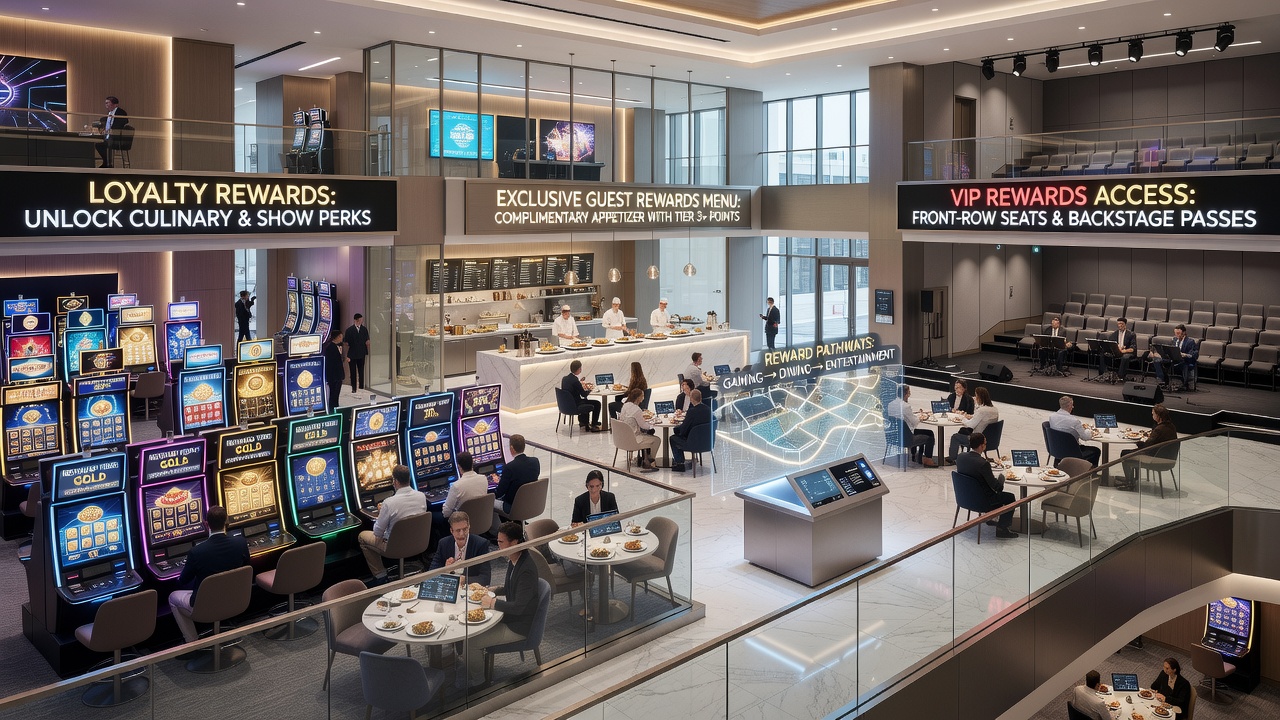
Modern casino loyalty programs connect gaming activity directly to benefits in restaurants and entertainment venues, creating measurable shifts in how visitors allocate their time and spending, and observers note that these structures have expanded significantly since the mid-2010s as operators seek to increase repeat visits while data from regional gaming reports shows average reward redemption rates climbing steadily through 2025 and into projections for October 2026.
Operators design point-earning mechanics that reward table game play and slot activity with tiered status levels, yet those same points often unlock priority reservations at on-site dining outlets or discounted tickets for headline shows, and this integration means a guest who spends several hours at blackjack tables may receive offers that steer them toward culinary experiences they might otherwise overlook.
Mechanics Linking Play to Broader Venue Choices
Point accumulation typically begins on the gaming floor where wagers generate credits at rates that vary by game type and bet size, while higher-tier members gain multipliers that accelerate progress toward dining credits or event access, and researchers from hospitality programs have documented how these multipliers influence decisions such as extending a session at a video poker machine rather than moving to a nearby bar or show lounge.
Many properties publish redemption charts that assign fixed point values to restaurant meals and performance seats, allowing guests to compare options in real time through mobile apps, and this transparency encourages strategic planning where a player might hold points for a weekend concert instead of using them for an immediate buffet visit.
Patterns Observed in Culinary Redemptions
Data indicates that food and beverage redemptions account for a substantial share of total loyalty program activity, with steakhouse and fine-dining outlets seeing higher uptake among mid-tier members who accumulate points through moderate slot play, whereas quick-service venues attract more casual participants who prefer smaller redemptions after shorter gaming sessions, and industry analyses reveal seasonal spikes around major holidays when operators increase point bonuses tied to specific menu items.
One documented case involved a Midwest resort that adjusted its point-to-meal conversion rates during a promotional period, resulting in a measurable uptick in reservations at its Italian restaurant while table minimums remained steady in the adjacent poker room, and similar adjustments have appeared at properties across multiple states as operators respond to guest feedback collected through post-visit surveys.
Entertainment Scheduling and Reward Integration
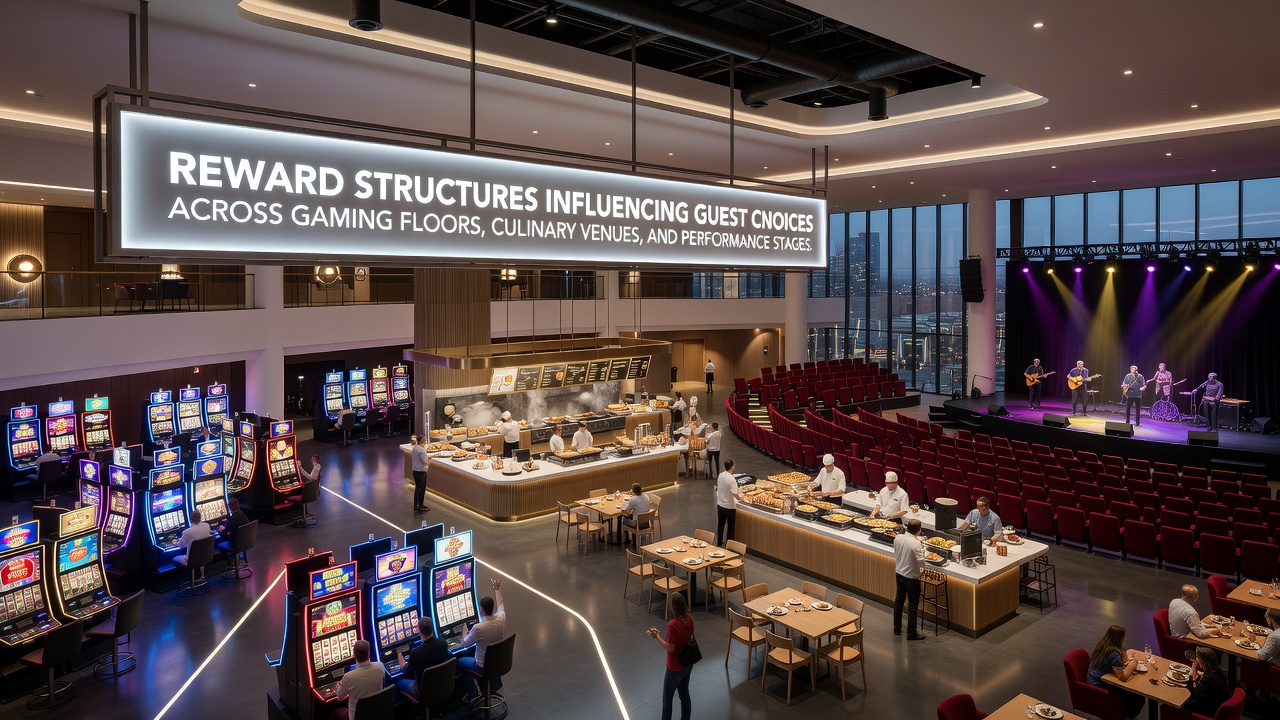
Performance venues within casino resorts often synchronize show schedules with loyalty tier benefits, granting early access or complimentary upgrades to members who maintain consistent gaming volume, and records from several large properties show that concerts and comedy acts generate notable point redemptions when paired with bundled dining packages that require advance commitment of accumulated credits.
According to figures released by the American Gaming Association, entertainment redemptions have grown as a percentage of total program activity in recent years, particularly when operators align headliner appearances with targeted promotions that lower the point threshold for ticket claims during slower mid-week periods, and this approach appears in planning documents for properties preparing calendars that extend into late 2026.
Those who track guest movement patterns report that individuals frequently combine a gaming session with a show reservation on the same evening, using points earned at one venue to offset costs at another, and this cross-venue flow becomes more pronounced when minimum bet requirements on certain table games qualify players for entertainment perks unavailable to non-members.
Regional Variations and Data Trends
Properties in different jurisdictions apply distinct formulas for converting play into rewards, with some emphasizing slot-based earning while others weight table games more heavily, and comparisons drawn from regulatory filings indicate that these differences affect how guests distribute time between gaming floors and adjacent dining or performance spaces, and a study conducted through the University of Nevada Las Vegas hospitality research center examined these variations across several western states.
Operators continue to refine algorithms that predict which reward offers will prompt additional visits, relying on anonymized transaction data to adjust point values for specific culinary items or performance dates, and updates scheduled for implementation around October 2026 aim to further personalize these offers based on historical redemption behavior across the three venue categories.
Conclusion
Reward structures in casino environments function as interconnected systems that direct guest activity from gaming participation toward dining selections and entertainment attendance, supported by point mechanisms and tier benefits that appear consistently across multiple properties, and available data from industry and academic sources confirms ongoing evolution in how these programs shape daily decisions without requiring subjective interpretation of their effectiveness.