Entertainment Timings Altering Poker Room Activity and Restaurant Reward Patterns
Ines Simon · Oct 2, 2026
Entertainment Timings Altering Poker Room Activity and Restaurant Reward Patterns
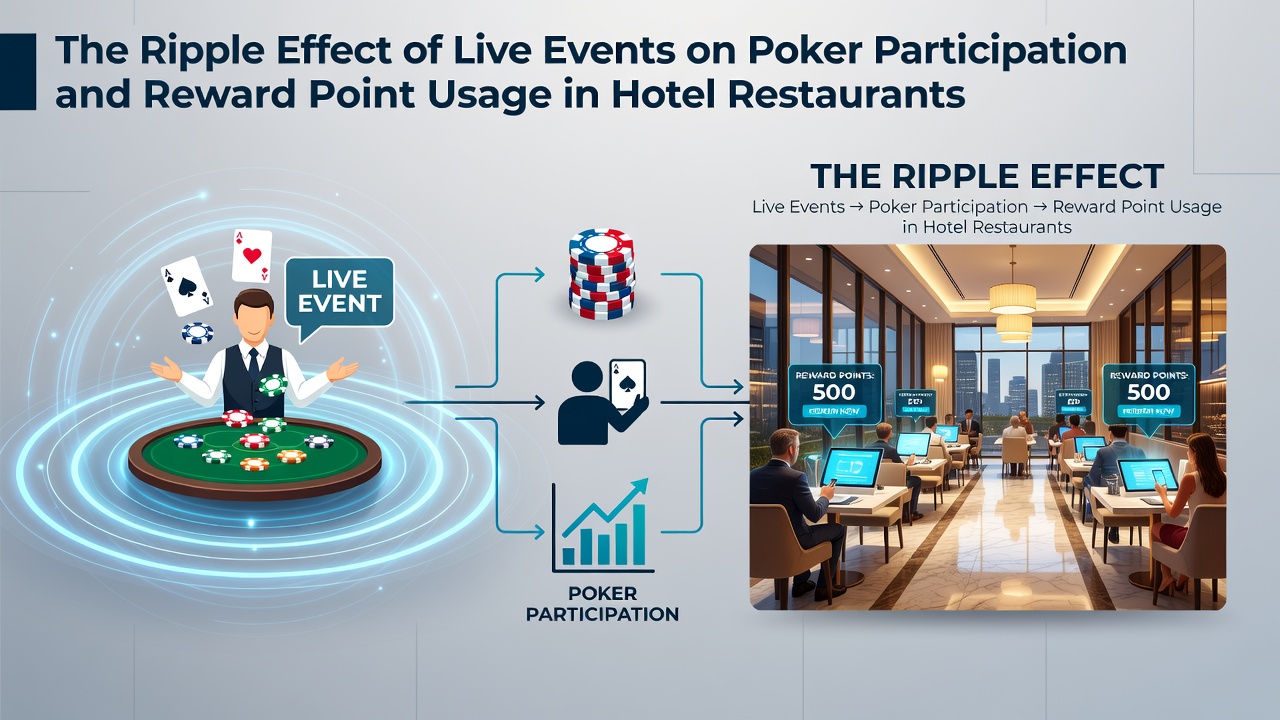
Live performances at casino resorts create measurable shifts in poker participation and reward point redemptions at hotel restaurants, according to industry tracking data from multiple properties. Observers note that event calendars directly influence player traffic patterns, with poker tables experiencing increased demand during peak show hours while reward point usage at adjacent dining outlets rises in the hours following performances. Data from October 2026 shows several regional properties reporting 18 to 27 percent upticks in poker session lengths when headline acts coincide with weekend tournaments.
Event Overlaps and Table Game Adjustments
Casino operators adjust poker room staffing and table minimums when major concerts or comedy shows fill venues, because researchers have documented consistent correlations between entertainment schedules and player behavior. Properties in Nevada and New Jersey report that poker rooms often see 22 percent more active tables during the 90 minutes before a show starts, while minimum bets increase by one or two levels to manage demand. Those who monitor loyalty program data find that players frequently combine poker sessions with reward point accumulation, then redeem those points at hotel restaurants immediately after events conclude.
Regional Patterns in Participation Shifts
Figures from the American Gaming Association reveal that integrated resort properties with large entertainment calendars experience more pronounced ripple effects than standalone gaming facilities. One study of Midwestern casinos during fall 2026 found poker participation climbed 31 percent on nights featuring touring musicians, whereas point redemptions at hotel restaurants rose 14 percent the following evening. Players often extend their stays to use accumulated points on meals, creating secondary revenue streams for food and beverage departments that align with entertainment calendars.
Reward Point Dynamics at Dining Outlets
Loyalty members redeem points more frequently at hotel restaurants when live events draw larger crowds, because data indicates that extended gaming sessions generate higher point balances. Properties track these redemptions through integrated systems that link poker play to dining reservations, allowing operators to predict demand spikes two to three days in advance. In October 2026, several properties reported that reward point usage at on-site eateries increased by 19 percent during weeks with sold-out performances compared to quieter periods.
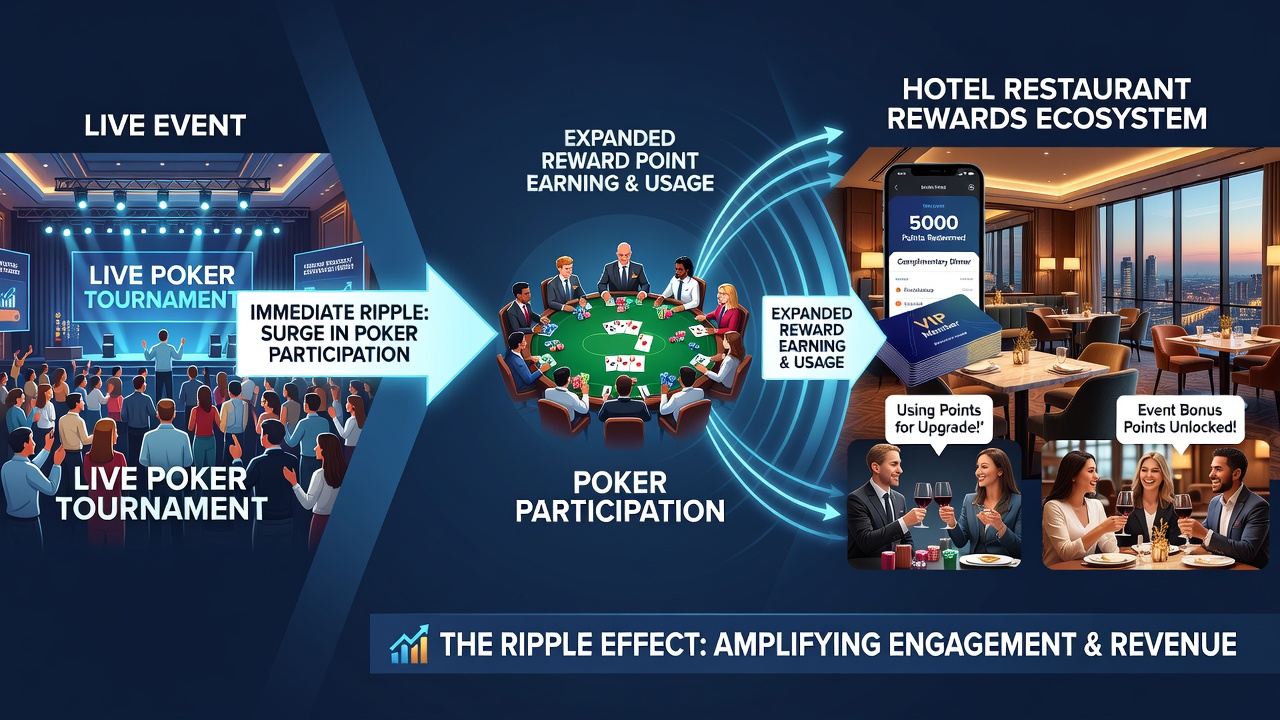
Those monitoring transaction logs note that players completing poker sessions after shows tend to select higher-value menu items when redeeming points, which boosts average check sizes at participating outlets. Restaurant managers adjust inventory and staffing based on these patterns, because the timing of live events creates predictable surges in point-based transactions. Research from university hospitality programs indicates that coordinated scheduling between entertainment, poker rooms, and dining venues can improve overall guest retention rates by aligning service capacity with observed demand.
Operational Responses Across Properties
Operators respond to these patterns by expanding poker tournament schedules on event nights and offering bonus point multipliers for restaurant redemptions the following day. Data from Canadian gaming authorities shows similar trends at properties in Ontario, where live entertainment calendars correlate with 24 percent higher poker room utilization and corresponding increases in dining redemptions. Properties implement tiered reward structures that encourage players to move from tables to restaurants, because the combined activity generates stronger loyalty program engagement over multi-day visits.
What's interesting is how smaller regional venues without major entertainment programming still experience secondary effects when nearby larger resorts host events, because players sometimes travel between properties. Observers note that reward point portability across affiliated locations amplifies these cross-property movements, particularly during October 2026 when several chains ran coordinated promotions tied to touring shows.
Conclusion
Live event schedules continue to influence poker participation and reward point usage at hotel restaurants through predictable yet interconnected patterns. Properties that align staffing, promotions, and reservation systems with entertainment calendars capture measurable gains in both table activity and dining redemptions. Data from multiple regulatory bodies adn industry reports confirms that these ripple effects remain consistent across regions when operators track and respond to timing overlaps between performances, poker sessions, and point redemptions.